
Research Synthesis: Meta-Analysis

Individual studies provide valuable insights, but they are inevitably limited in scope: by sample size, by the species or populations examined, and by local conditions. Meta-analysis allows us to move beyond individual results and ask: what is the overall evidence telling us? By quantitatively combining findings from studies conducted across different species, ecosystems, and continents, we can identify broad biological patterns that no single study could reveal. This approach has become central to our research programme, particularly in understanding the global impacts of anthropogenic noise on wildlife.
Our meta-analytical work follows best practices in quantitative research synthesis. We use comprehensive literature searches, transparent inclusion criteria, and modern statistical techniques, including multilevel meta-analytic models that account for the non-independence of effect sizes from the same study or species. We believe that rigorous meta-analysis is essential for evidence-based conservation and for advancing ecological theory.
The Lombard Effect Across Vertebrates
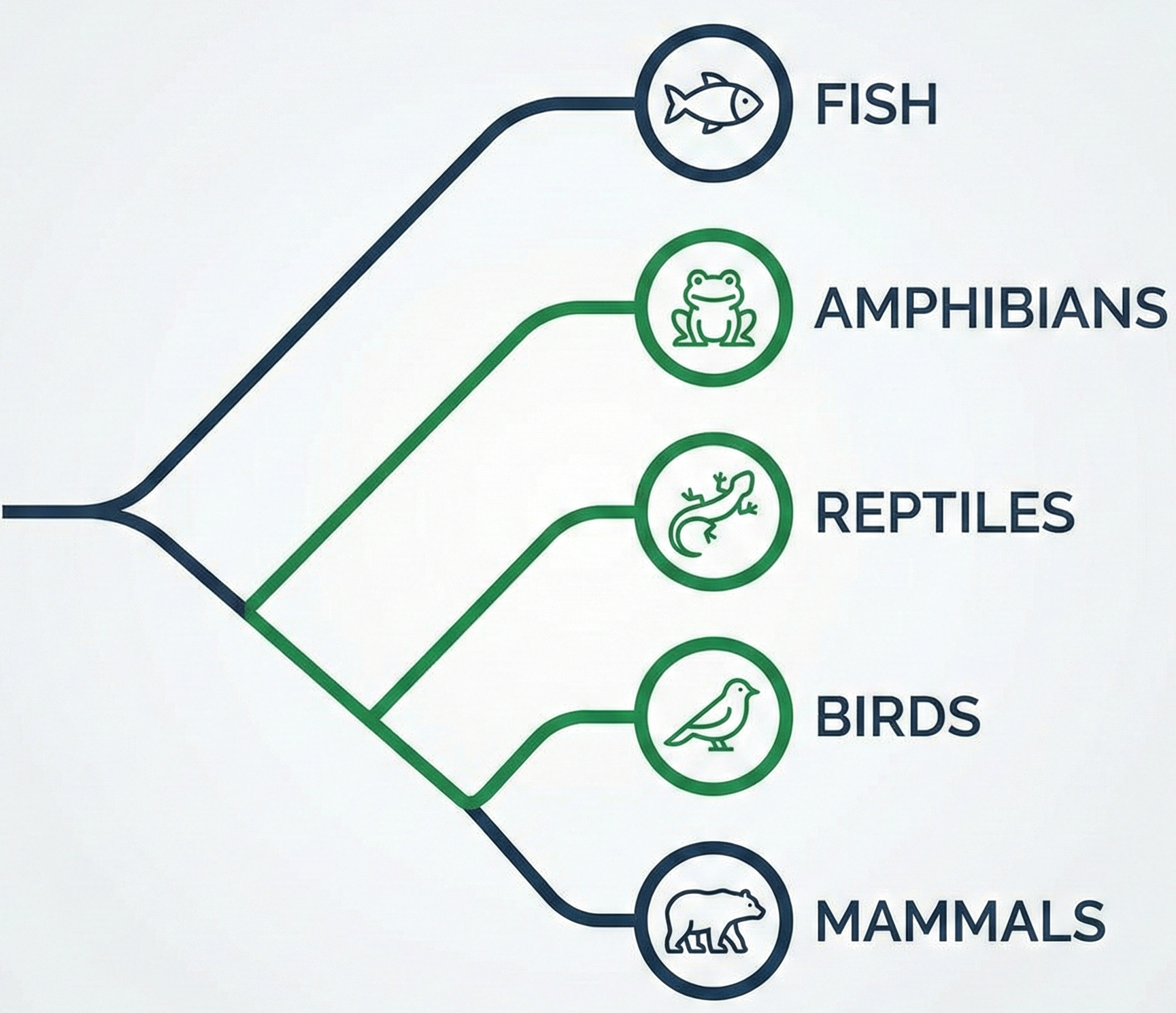
More than 100 years ago, Etienne Lombard discovered that humans increase how loud they speak when exposed to background noise. Since then, this "Lombard effect" has attracted interest from disciplines ranging from linguistics to zoology. One unresolved question concerned its evolutionary origin: the Lombard effect had been found in birds, mammals, and fish, but not in reptiles, and in amphibians the evidence was disputed. Using a phylogenetically controlled meta-analysis, we showed that the Lombard effect is a widespread mechanism in vertebrates, and that amplitude adjustments require neither complex cortical processes nor vocal learning. This finding has important implications for understanding how animals cope with noisy environments, because it demonstrates that vocal plasticity is not restricted to a few species but represents a fundamental feature of vertebrate communication.
Species Sensitivities to Noise

Not all species respond to noise in the same way. In a comprehensive meta-analysis, we examined how anthropogenic noise affects acoustic signals across a wide range of species. By synthesising data from numerous studies, we identified systematic differences in how species adjust their signals in response to noise. These species-level sensitivities have direct conservation implications: they help us predict which species are most vulnerable to increasing noise levels and where mitigation efforts should be focused. This work demonstrated the power of meta-analysis to move the field from documenting effects in individual species to understanding patterns at a global scale.
The Broad Biological Consequences of Noise

Our first meta-analysis tackled a fundamental question: does anthropogenic noise affect animals? By bringing together studies that measured a wide range of responses to noise, we showed that noise affects both invertebrates and vertebrates. This was among the first quantitative demonstrations that noise pollution is not merely a nuisance but a biologically meaningful stressor with measurable consequences for wildlife. The study has been influential in policy discussions around noise regulation and environmental impact assessment.